
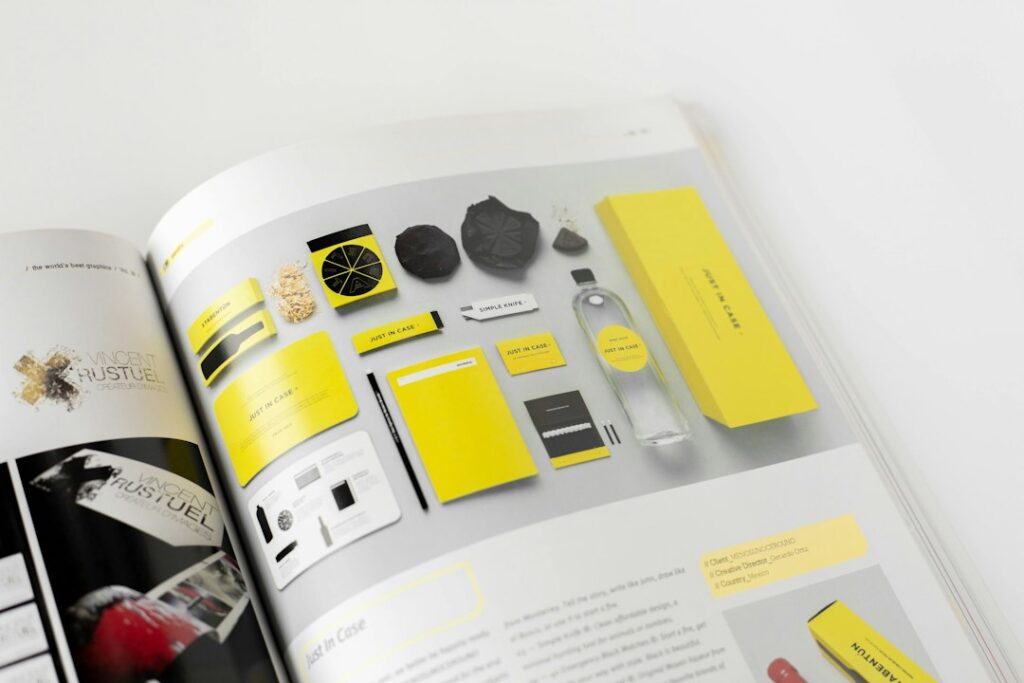
A brand is more than a logo, colour palette or slogan. Positioning is the place a business aims to occupy in the minds of the people it wants to serve. Clear positioning helps customers understand whether an offer is relevant and helps teams make more consistent decisions about messaging, content and experience.
1. Choose a clear target audience
Describe the customers you can serve particularly well. Consider their needs, priorities, buying context and alternatives. Broad audiences can make a message feel generic, so define a practical starting segment.
2. Understand the customer’s real problem
Look beyond the product features. Ask what customers are trying to achieve, what makes the decision difficult and what risks they want to avoid. Customer interviews, sales conversations and support questions can reveal useful language.
3. Define the category you compete in
Customers need a frame of reference. Explain whether you are an agency, specialist provider, product company, local service or another category. If your offer combines categories, make the core value easy to understand.
4. Identify a meaningful difference
A point of difference should matter to the customer and be difficult to confuse with a generic claim. It may relate to expertise, process, focus, delivery model, convenience or a specific customer segment. “Best quality” and “number one” mean little without evidence.
5. Build proof behind the promise
Support positioning with relevant experience, transparent processes, product demonstrations, genuine reviews or measurable examples you are allowed to share. If evidence is limited, be precise about what you can currently demonstrate.
6. Write a positioning statement
A simple internal structure is: for [audience] who need [problem or outcome], [brand] is a [category] that provides [distinctive value], supported by [proof]. This is a strategic guide, not necessarily the public-facing tagline.
7. Translate positioning into customer language
Turn the strategy into a clear website headline, service descriptions, social content themes and sales explanations. Use consistent language while adapting the detail to each platform and stage of the buying journey.
8. Align the experience with the message
The website, sales process, onboarding, customer support and delivery should reinforce the same promise. A premium positioning requires a coherent experience, not just premium-looking visuals.
9. Review competitors without copying them
Study competitor messages to understand category conventions and gaps. Do not imitate their slogans or claim differences that customers cannot recognise. Look for an underserved need or a clearer way to explain your value.
10. Revisit positioning as the business evolves
Customer needs, products and markets change. Review feedback, conversion quality and sales objections periodically. Adjust the message when evidence suggests the audience or value proposition has shifted.
Frequently asked questions
What is the difference between branding and brand positioning?
Branding includes the identity and experience people associate with a business. Positioning is the strategic choice about how the business should be understood relative to customer needs and alternatives.
Can a small business have a strong brand position?
Yes. A focused audience, clear offer and consistent customer experience can create a recognisable position without a large advertising budget.
How often should a brand positioning strategy be reviewed?
Review it when the offer, audience, market or customer feedback changes materially, and schedule periodic checks to ensure the message remains accurate.
Image credit: Photo by Brands&People on Unsplash.